Signs It's Time to Change Your Hearing Aid Domes
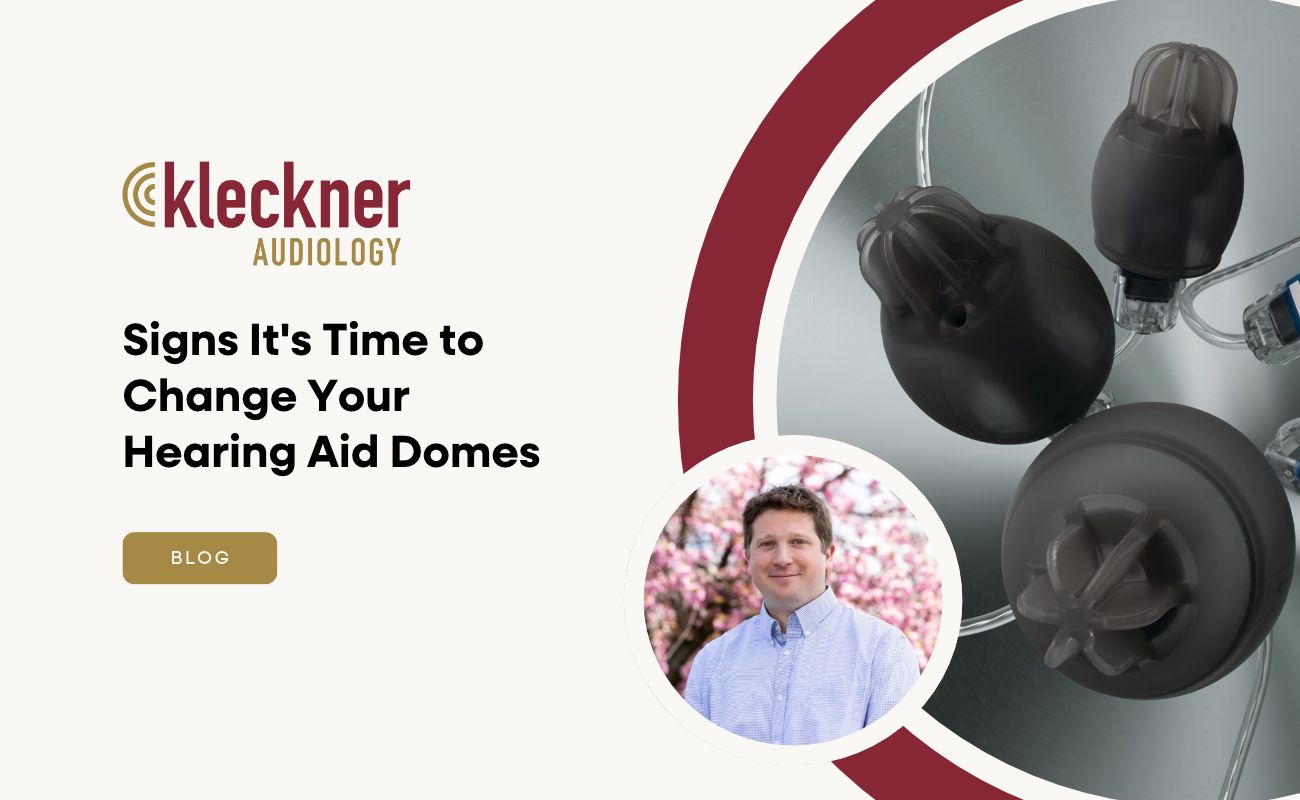
The small silicone dome at the tip of your hearing aid does a lot of work for its size. It holds the receiver in place, directs sound toward your eardrum, and affects how comfortable your hearing aids feel. Because domes are soft and sit in a warm, moist environment, they wear out and need regular replacement, and learning to recognize a tired dome can save you from muffled sound, whistling, and an uncomfortable fit.
What Your Hearing Aid Domes Do
Domes come in several styles, and your audiologist chooses one based on your hearing loss and the shape of your ear canal.
Open domes have vents that let natural sound pass through, which suits many people with milder high-frequency hearing loss.
Closed and power domes create a tighter seal that keeps amplified sound in the ear canal, so they're often used for more significant hearing loss. The dome's size and flexibility are part of how your hearing aids were fit and programmed.
Many manufacturers and hearing care providers recommend replacing domes every one to three months. Earwax, skin oils, and daily handling can shorten that timeline.
Visual Signs of a Worn Dome
Look closely at your domes in good light each time you clean your hearing aids, and watch for these changes:
- Discoloration. Domes that started clear or neutral gray can turn yellow or brown as they absorb earwax and oils.
- Stiffness. A fresh dome is soft and flexes easily. An older one may feel firm and hold a squashed shape instead of springing back.
- Cracks, tears, or splits along the edges.
- Wax that won't come off with a cleaning wipe or brush, especially in the vents of an open dome.
- A stretched base that slides onto the receiver too easily.
How a Worn or Loose Dome Affects Sound and Comfort
A dome that has lost its shape no longer sits where it should in your ear canal. One of the most common results is whistling or feedback, which happens when amplified sound escapes and gets picked up by the hearing aid's microphone again. Sound can also seem thinner, quieter, or more muffled than usual, because the dome isn't directing sound toward your eardrum the way it did at your fitting.
Comfort changes too. Stiff silicone can rub against the sensitive skin of the ear canal, leading to soreness, itching, or a feeling of pressure by the end of the day. When your hearing aids suddenly feel or sound different, the dome is a sensible place to start.
A loose dome carries one more risk. When the base has stretched or the dome wasn't pushed fully onto the receiver, it can slip off as you remove your hearing aid and stay behind in your ear.
What to Do If a Dome Stays in Your Ear
This is unsettling but usually simple to resolve. If you take out your hearing aid and the dome is missing, check the receiver, your clothing, and the area around you first. If you believe the dome is still in your ear, leave cotton swabs, tweezers, and other tools aside. These can push the dome deeper toward the eardrum or scratch the ear canal.
Call our office instead, and we'll help you work out the safest next step. A dome left in the ear is rarely an emergency, and a professional can remove it with tools made for the job. If you have significant pain, drainage, or dizziness, seek medical care right away.
How to Change a Dome at Home
Changing a dome takes less than a minute. Hold the receiver firmly, grip the old dome, and pull it straight off. Push the new dome over the ridged end of the receiver until the collar covers it completely, then give it a gentle tug to confirm it's secure before placing the hearing aid in your ear.
Always use the same type and size of dome your audiologist selected, since a different dome can change both the fit and the sound. If you aren't sure which dome you wear, we can check for you.
Hearing Aid Domes in Allentown at Kleckner Audiology
Kleckner Audiology is a family-owned practice that has served Allentown since 1974. We carry replacement domes and cleaning supplies, and our team, including Dr. Peter Kleckner, Dr. Katherine Stabler, and hearing instrument specialist Andrew Fluck, can confirm you're wearing the right style and size. If your hearing aids are still whistling or sounding muffled after a dome change, we can also look at them in our on-site repair lab.
Stop by our office at 3131 College Heights Blvd #2600, Monday through Friday from 8:30 a.m. to 5:00 p.m. You're welcome to visit with or without an appointment, or call us at 610-435-8299 with any questions.

Dr. Peter Kleckner, Au.D., a seasoned audiologist with experience from prestigious institutions, brings his expertise in comprehensive hearing evaluations and treatments to Kleckner Audiology, where he's been serving patients since 2016.