How Summer Humidity Affects Your Hearing Aids
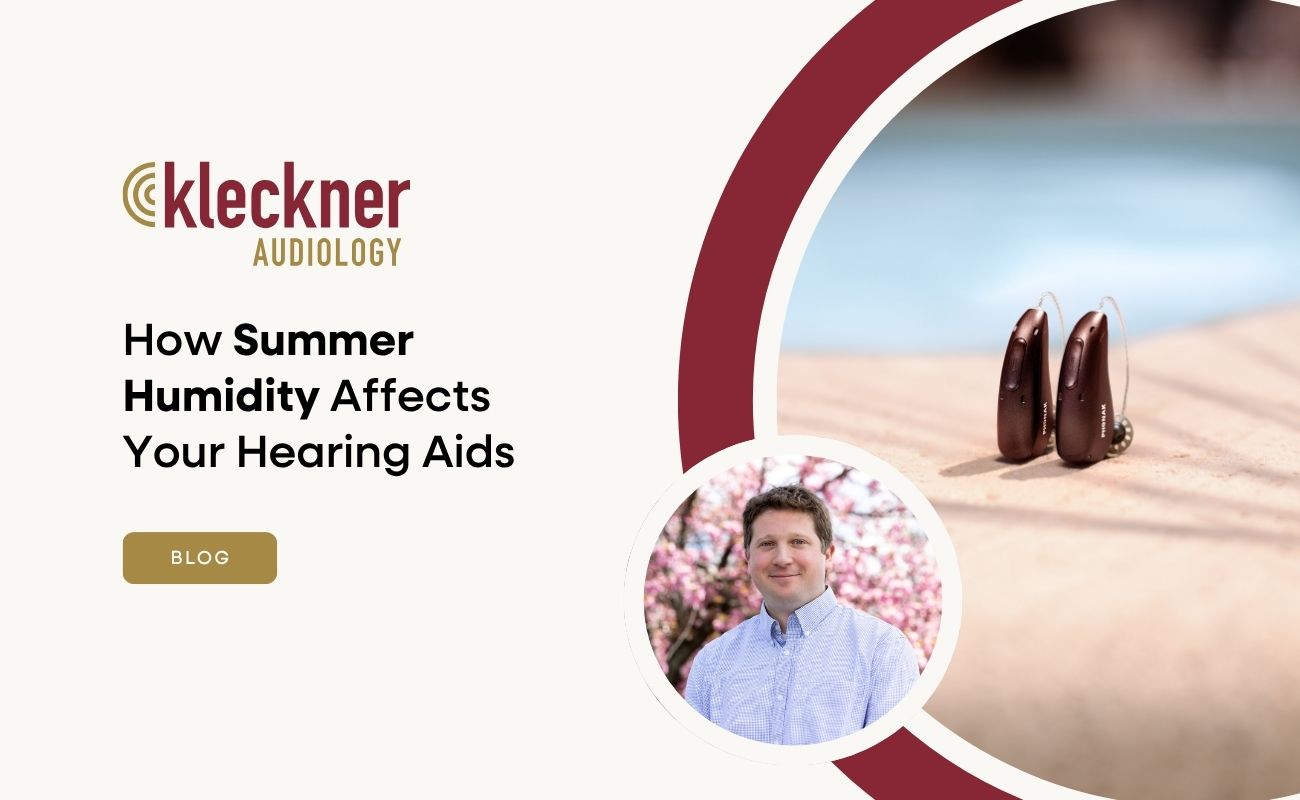
Every summer, we see the same pattern walk through our doors. Hearing aids that worked perfectly suddenly start cutting out, crackling, or shutting off. The cause is almost always moisture. Allentown summers bring heat, humidity, and sweat. Hearing aids are small electronics that don't handle that combination well without some help.
Why Humidity Hits Hearing Aids So Hard
Your ear canal is already one of the most humid spots on your body. In summer, it gets worse. Sweat runs down from your scalp and behind your ear. Moisture in the air gets trapped against the device. Add in a pool day, a sweaty workout, or just a walk outside in 90-degree heat, and you've got plenty of ways for water to work into the microphone ports, receiver, and battery compartment.
Once moisture gets inside, it can corrode the components, cause static or cutting sound, and in worse cases, keep the device from turning on at all. This happens across every brand, including Oticon, ReSound, Signia, Starkey, Widex, and Phonak. They're all sophisticated electronics packed into something roughly the size of a coffee bean. None of them are immune.
Warning Signs to Watch For
Some symptoms creep up gradually. Others seem to appear overnight. Either way, here's what moisture trouble usually looks like:
- Sound cutting in and out, especially when you're outside
- Speech that suddenly sounds muffled or far away
- Static, crackling, or popping during conversations
- The device randomly shutting off throughout the day
- Visible moisture or discoloration near the microphone ports
Don't wait these out. Moisture damage gets worse the longer it sits. What starts as an occasional crackle can turn into a full repair that leaves you without your hearing aids for a week or more.
Simple Habits That Protect Your Devices
Most humidity problems are preventable. A few consistent habits go a long way.
Take your hearing aids out before swimming, showering, or anything that's going to make you sweat heavily. Give them a few minutes to air out before putting them back in. A hearing aid dehumidifier, even a basic one, makes a real difference when you use it every night. Just set your devices in it before bed and let it do its job.
During the day, wipe down the microphone and receiver ports with a soft, dry cloth. It only takes a few seconds, and it removes the sweat and moisture that would otherwise sit there for hours. If you're spending a long stretch outdoors for yard work, a ball game, or a summer hike, look into a hearing aid sweatband. They're inexpensive, purpose-built to divert moisture away from the device, and they actually work.
If your hearing aids use disposable batteries, open the battery door at night. That small gap lets any trapped moisture escape instead of sitting against the contacts. Rechargeable models don't have a battery door, but they still benefit from a nightly dry in a dehumidifier.
What Not to Do When Things Go Wrong
If your hearing aids start acting up, resist the urge to troubleshoot them yourself. Don't try to open the casing. And don't reach for the hair dryer, as heat damages internal components just as fast as moisture does.
The safest move is to bring them in. We use professional-grade drying equipment built specifically for hearing aids, along with electroacoustic testing to pinpoint exactly what's happening inside the device. It's more thorough than anything you can do at home, and it avoids the risk of making things worse.
How We Handle Repairs
Most moisture issues we see during summer can be resolved the same day, right here in our office. When a device needs more extensive work, we coordinate directly with the manufacturer to get it turned around as quickly as possible. You won't be left guessing about where things stand because we keep you in the loop throughout the process.
You can get more details on our hearing aid repair page.
When to Call Us
We've been helping patients in Allentown care for their hearing since 1974. Summer moisture is one of the most common issues we treat this time of year, and it's also one of the most fixable, especially when you don't wait too long.
If your hearing aids have been cutting out, crackling, or behaving strangely, come see us before it becomes a bigger problem. Call us at 610-435-8299 or stop by our Allentown office. We'll take a look and get you back to hearing clearly.

Dr. Peter Kleckner, Au.D., a seasoned audiologist with experience from prestigious institutions, brings his expertise in comprehensive hearing evaluations and treatments to Kleckner Audiology, where he's been serving patients since 2016.