When Hearing Aid Adjustments Become Necessary
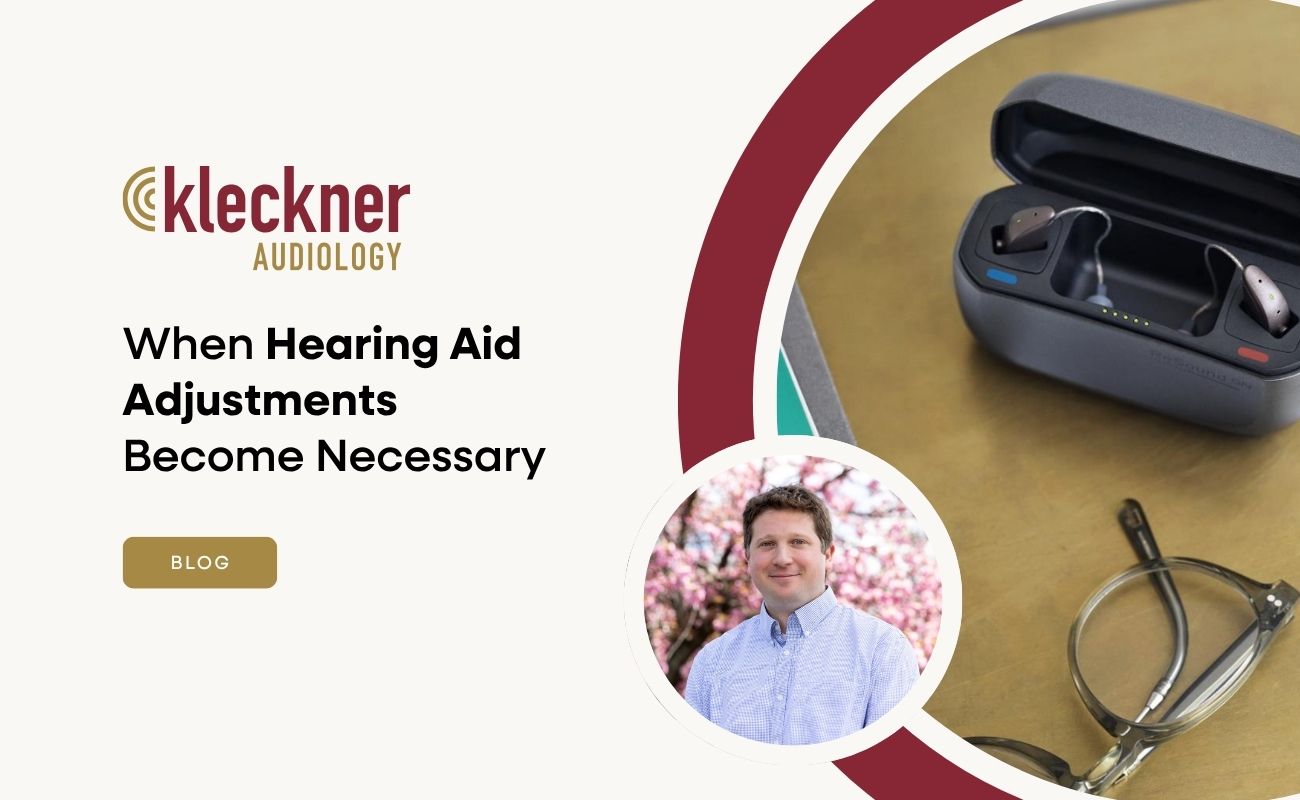
Hearing aids are not a set-it-and-forget-it solution. Even after a precise initial fitting, there will likely come a time when adjustments are needed. Understanding when and why this happens can help you get the most from your devices.
Your Hearing Can Change Over Time
Hearing loss is not always static. For many people, it progresses gradually, meaning the hearing aid settings that worked well two years ago may no longer match your current hearing profile. Regular follow-up appointments allow us to track these changes and reprogram your devices accordingly.
Age, certain medications, noise exposure, and underlying health conditions can all contribute to shifts in hearing ability. If sounds that once seemed clear are now muffled or harder to understand, your hearing has likely changed enough to warrant a recheck.
New Environments and Lifestyle Changes
Your daily listening needs may evolve, even if your hearing doesn't. Someone who retires and spends less time in noisy offices may need different settings than someone who takes on a new, socially active routine. If you have started attending more group gatherings, returned to work, or spend more time on the phone, your current program settings might not be keeping up.
Modern hearing aids from manufacturers like Oticon, Phonak, ReSound, Signia, Starkey, and Widex offer advanced noise management and multiple listening programs. Getting these tuned to your specific environments makes a real difference in day-to-day comfort and clarity.
You Are Struggling in Situations That Should Be Manageable
This is one of the most common reasons people come in for an adjustment. If you find yourself frequently asking people to repeat themselves, struggling to follow group conversations, or turning up the television more than usual, your hearing aids may need to be re-evaluated.
Sometimes this is a programming issue. Other times it points to a change in hearing. Either way, it is worth addressing rather than tolerating.
Physical Discomfort or Feedback
Hearing aids should be comfortable to wear throughout the day. If yours are causing soreness, pressure, or persistent whistling sounds, something is off. Feedback, that high-pitched squealing sound, is often a sign of a poor acoustic seal or a programming issue — both of which are correctable.
Ear canals can change shape subtly over time, and the fit that worked at your original appointment may no longer be ideal. In some cases, a new earmold or dome style resolves the problem entirely.
After a Repair or a New Set of Devices
Any time your hearing aids are repaired or replaced, a fresh round of verification is worth considering. Components can behave slightly differently after repairs, and new devices need to be precisely calibrated to your current hearing profile.
Hearing aid verification — checking that your devices are performing exactly as prescribed — is a step we take seriously at our practice. It removes the guesswork and confirms your hearing aids are delivering the right level of amplification across all frequencies.
The Adjustment Period for New Users
If you are new to hearing aids, some degree of adjustment is completely normal. The brain needs time to relearn how to process sounds it may not have heard clearly in years. Most new users benefit from several follow-up appointments in the first year to fine-tune settings as they adapt.
This is different from a problem — it is simply part of the process. That said, if something feels consistently wrong or uncomfortable, do not wait. Let us know sooner rather than later.
A Note on Over-the-Counter Devices
Over-the-counter hearing aids are now widely available, and while they may suit some people with very mild, uncomplicated hearing loss, they do not offer the level of personalized programming that comes with a professional fitting. Without precise adjustments based on your specific audiogram, you may be over- or under-amplifying sounds, which can lead to frustration and, in some cases, further listening fatigue.
Hearing aids from leading manufacturers, fitted and adjusted by an audiologist, consistently deliver better outcomes for people with varying degrees of hearing loss.
Schedule a Hearing Aid Check at Kleckner Audiology
If something feels off with your hearing aids — or if it has simply been a while since your last appointment — we encourage you to come in. Our team in Allentown is here to assess your devices, review your hearing, and make any adjustments needed to keep you hearing your best. Call us at 610-435-8299 or visit kleckneraudiology.com/schedule to book your appointment.

Dr. Peter Kleckner, Au.D., a seasoned audiologist with experience from prestigious institutions, brings his expertise in comprehensive hearing evaluations and treatments to Kleckner Audiology, where he's been serving patients since 2016.